

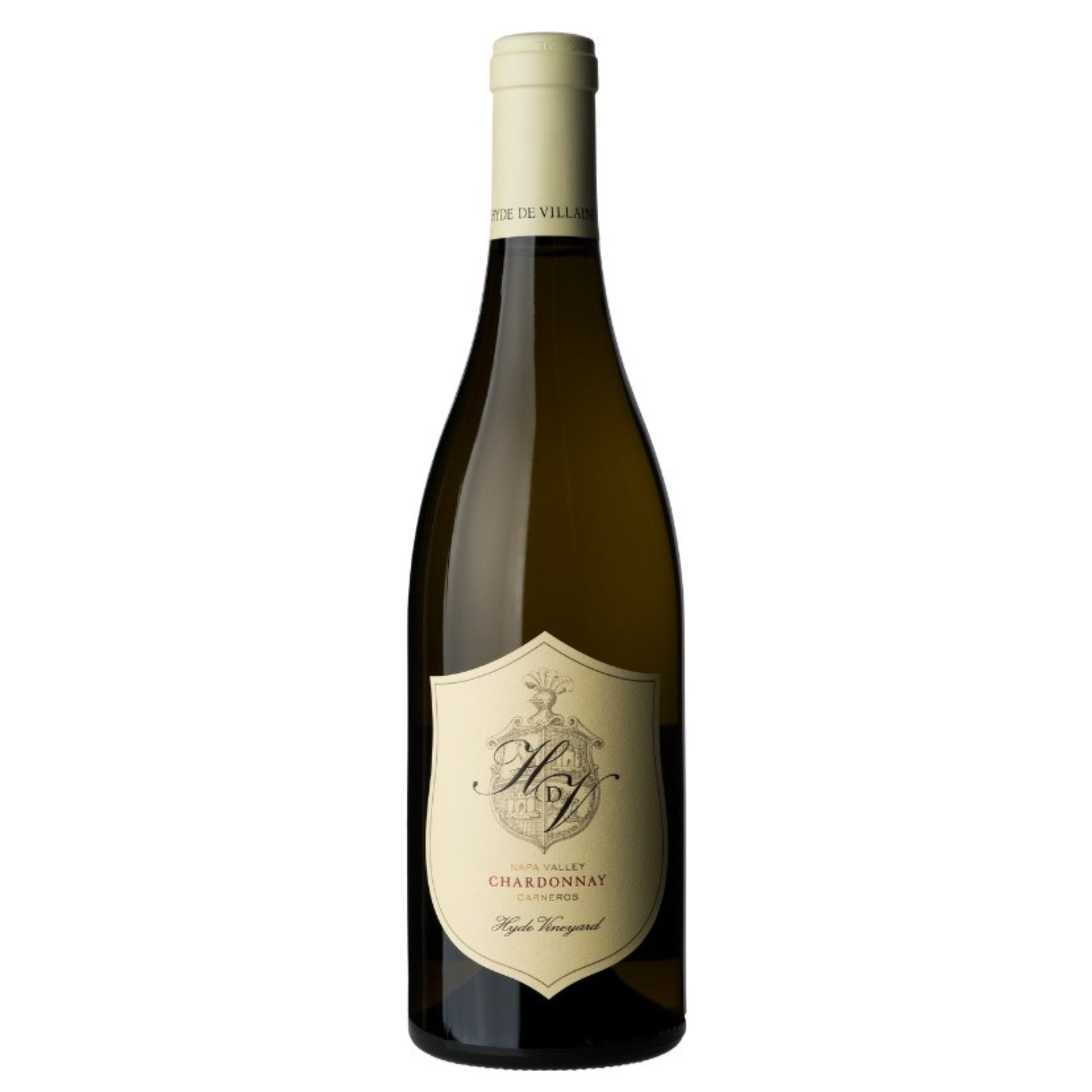

HdV Chardonnay
HdV Chardonnay
In stock
Couldn't load pickup availability

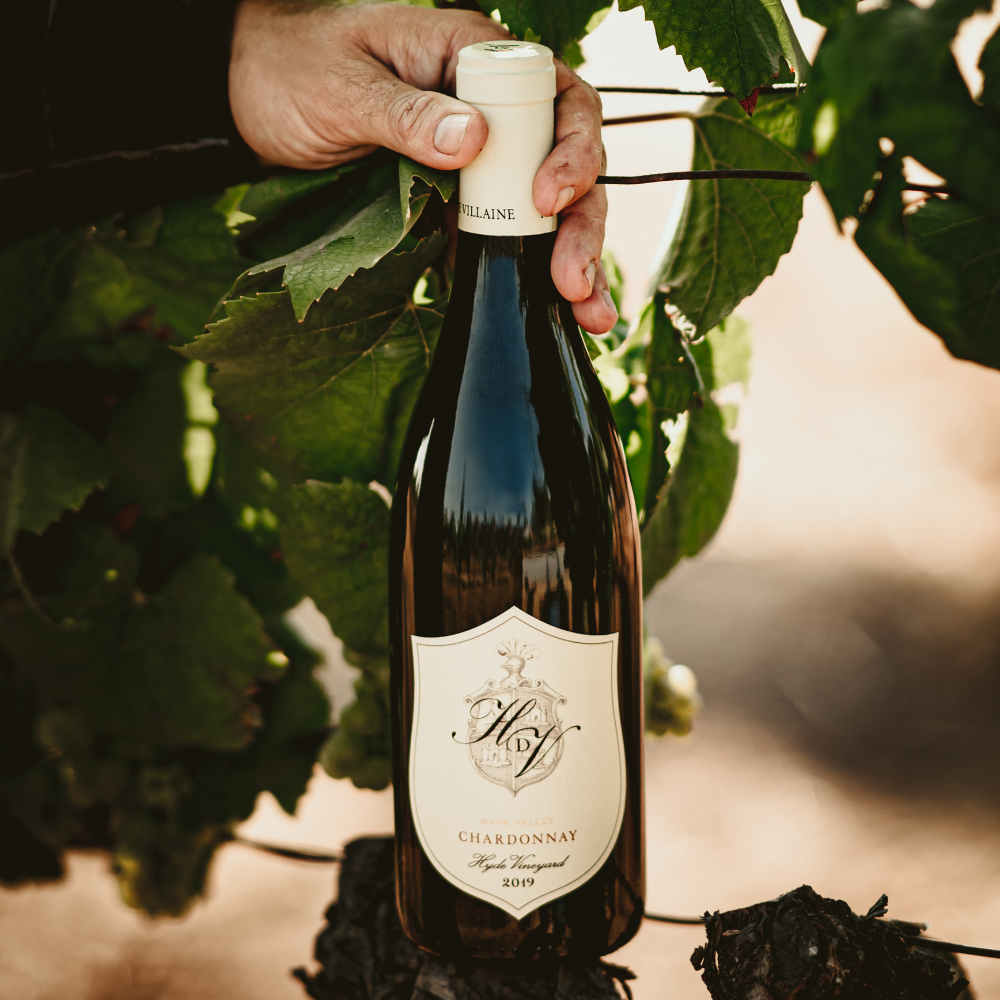
The HdV Chardonnay is the flagship wine, showcasing the legendary terroir of Hyde Vineyard. Often described as 'Burgundian' in style, the Chardonnay is distinct from the traditional 'California' style. This wine balances the power of Napa Valley with the restraint, finesse and energy of Burgundy. Two selections of mature Hyde Chardonnay vines build its frame: the small clusters of Wente bring out notes of citrus blossoms, yellow apple, and a touch of gunpowder while enhancing the complex mineral and savory characters. The Calera selection contributes balance, with fresh aromas of pear, peach blossom, citrus, and vibrant acidity.
Aged 14 months on fine lees in 20% new Francois Freres French oak barrels, foudres and concrete eggs. Bottle unfined and unfiltered. This wine will age gracefully for over 20+ years.
Aromas of Golden Delicious apple and honeysuckle are balanced by hints of nutmeg, saline and white pepper. Subtle herbal tones of lemon verbena lend to a “nervy” edge of this wine that cuts through the palate. Flavors of apricot and mango round out the brighter tones of lime and other bright citrus. The lean texture and a tension in the wine promises to reward those that are able to cellar. -Guillame Boudet, Winemaker
James Suckling 97: A superb and rich chardonnay with driven phenolics that frame the wine, giving it form and intensity. It’s full-bodied but not heavy. Dried apples, nuts, peach pie and hints of salted butter and honey. It’s flavorful and intense. Real Napa chardonnay. 70% Wente clone and the rest Calera. So drinkable now, but will age very well.
Vinous 93: The 2022 Chardonnay Hyde Vineyard is powerful and resonant in the glass. Lemon confit, marzipan, hazelnut, slate and white flowers all soar out of the glass. Silky and persistent, with fine depth, the 2022 has plenty to offer. I find the reduction here quite prominent, but there does appear to be enough fruit and overall texture to pull it all together. Clones here are 70% Wente Clone and 30% Calera.
James Suckling 99: This wine is truly excellent, showing a mineral-edged nose with pure energy and tension. Aromas of struck match, citrus blossoms, crushed stones and salted nuts. The palate is taut, with no hard edges and driving acidity that keeps you salivating for minutes. Closing in on perfection. Drink or hold.
Vinous 96: The 2023 Chardonnay Hyde Vineyard is airy, gracious and understated. It's a wine of restraint, even for this house. Seamless and elegant in the glass, the Hyde is exquisitely finessed. Today, the 2023 is rather quiet, but time in bottle should help this really blossom. Aeration brings out the wine's mid-palate oiliness and texture. The Hyde was aged 70% in barrel, 20% in foudre and 10% in concrete. The precision here is unreal.
Decanter 96: In the glass, the wine is wonderfully generous and beautifully velvety, with impressive fruit weight and a striking saline thread that infuses the citrus core. Even with a flinty, reductive edge on the nose, the palate is expansive and expressive. It delivers extraordinary length, tension, and energy, balanced by real generosity of fruit. The finish is driven by oyster-shell and river-rock minerality, with additional complexity from white florals, tangerine oil, and lemon oil. Spectacularly complete and nuanced. Here's the backstory: This is the flagship Chardonnay, with approximately 2,700 cases produced from a total estate production of roughly 7,000 cases. The blend comprises Wente Selection and Calera clones, all sourced from Hyde Vineyard. Owing to an extended, gentle pressing before fermentation, they obtain a high volume of pristine juice and exceptionally fine lees from the clusters. The average vine age ranges from 30 to 35 years, with some parcels reaching 45 years. The wine is aged in approximately 20% new French oak alongside a portion in concrete, then matured for 18 months in roughly 20% new French oak before being bottled unfined and unfiltered. The Old Wente vines were planted on AXR1 in 1979. While those vines are beginning to show their age, the natural acidity retained in the grapes remains remarkable. The Calera planting dates to 1986, with additional blocks established in 1994 and 1999 using younger Wente selections – cleaner-fruited and more uniform, with berries consistently formed around fully developed seeds. By contrast, the old Wente exhibits classic ‘hens and chicks’ morphology, with millerandage producing smaller, seedless berries bursting with concentrated juice.